3d Flower Design for Wall Art
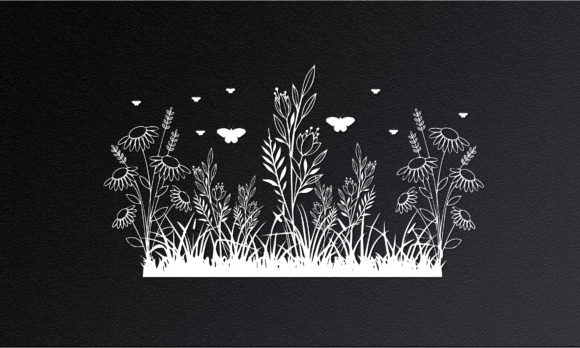
Transforming a blank wall into a focal point requires more than just picking a random image from the internet. It demands depth, texture, and a level of realism that draws the eye in. This is where 3d Flower Design for Wall Art becomes an essential tool for designers, interior stylists, and creative entrepreneurs. Unlike flat 2D illustrations, three-dimensional floral arrangements offer a tactile quality that mimics real-world lighting and shadow, creating an immersive visual experience. When you integrate high-quality vector assets into your workflow, you are not just downloading an image; you are acquiring a versatile design asset that can be scaled, modified, and deployed across multiple platforms without losing clarity.
The modern digital landscape is saturated with static graphics. To stand out, whether you are designing a boutique website, crafting marketing materials for a small business, or preparing print-ready artwork for home decor, you need elements that pop. A 3D flower design provides that immediate sense of premium quality. It signals attention to detail and professionalism. For freelancers and agency owners, this distinction can be the difference between a project that feels generic and one that feels bespoke. The ability to manipulate these designs means you can tailor the aesthetic to match any brand identity, from soft and romantic to bold and modern.
Why Resolution and Color Mode Matter in Digital Design
One of the most critical aspects of using digital assets is understanding the technical specifications behind them. Many users overlook the importance of resolution and color mode until it is too late, resulting in pixelated prints or washed-out screens. The specification of Product features Design in 300 DPI Resolution ensures that every petal, leaf, and highlight is crisp and clear. Thirty dots per inch (or rather pixels per inch in raster contexts) is the industry standard for high-quality printing. If you plan to use these designs on physical products like greeting cards, posters, or packaging, starting with a 300 DPI source guarantees that the final output will not suffer from blurriness or jagged edges.
Furthermore, the use of RGB color mode is vital for digital-first projects. RGB stands for Red, Green, and Blue, which are the primary colors of light used by monitors, smartphones, and televisions. By working in RGB, you ensure that the vibrant hues of the flowers appear as intended on screens. While print often requires CMYK, having the source in RGB allows for easy conversion if needed, while maintaining maximum vibrancy for web use, social media graphics, and digital advertising. This dual-purpose capability makes the asset far more valuable than a single-format file.
Unlocking Creativity with Vector Flexibility
The true power of a 3d Flower Design for Wall Art lies in its underlying structure. When a design is provided in vector formats, it is built on mathematical equations rather than fixed grids of pixels. This means you can scale the image up to the size of a billboard or down to the size of a business card without any loss in quality. The mention of 100 Vector RGB color mode Easy to modify and change color highlights a significant advantage for designers: customization. You are not stuck with the default color palette. You can tweak shades, adjust gradients, and alter tones to perfectly align with your client’s branding guidelines or your personal artistic vision.
This flexibility supports creativity in profound ways. Imagine you are designing a wedding invitation suite. The bride wants deep burgundy roses instead of the traditional pink. With a vector-based 3D design, you can simply select the petals and change their fill color, adjusting the shadows and highlights to maintain the three-dimensional effect. This saves hours of manual redrawing and allows for rapid iteration. You can present multiple variations to your client, increasing the likelihood of approval and satisfaction. For educators and bloggers, this means you can create unique visuals for each post, keeping your content fresh and engaging without hiring a new illustrator every time.
A Comprehensive Toolkit in One Download
Efficiency is a key driver for professionals who juggle multiple projects. Receiving a ZIP folder that contains the following file formats streamlines your workflow significantly. Instead of searching for compatible versions of the same asset across different libraries, you have everything you need in one place. Let’s break down why each format in this collection is useful.
- EPS File: The Encapsulated PostScript format is a staple in professional graphic design. It preserves vector data and is widely supported by software like Adobe Illustrator and CorelDRAW. This is ideal for complex editing and layout work where precision is paramount.
- High-quality PNG file with transparent background: Transparency is crucial when placing your flower design over other images or colored backgrounds. A PNG with a transparent background allows you to layer the 3D flowers seamlessly onto websites, presentations, or composite designs without unwanted white boxes surrounding the art.
- High-quality JPG file: JPEGs are universally compatible and compressed for easy sharing. They are perfect for quick previews, email attachments, or direct upload to social media platforms where transparency is not required.
- SVG file: Scalable Vector Graphics are native to the web. Using SVG files in HTML code ensures that your floral elements remain sharp on all devices, including retina displays and large monitors. They also load quickly and can be animated with CSS, adding an interactive element to your web projects.
- PDF file: Portable Document Format is essential for sharing final designs with clients or printers who may not have design software. PDFs preserve formatting and fonts, ensuring that what you see is what you get.
Practical Applications Across Industries
The versatility of 3d Flower Design for Wall Art extends across numerous industries. For small business owners, these designs can elevate product packaging. A cosmetic brand might use elegant 3D roses on its soap wrappers or perfume boxes to convey luxury and natural ingredients. The high-resolution nature of the files ensures that even fine details, such as dew drops on petals, are visible to the consumer, enhancing perceived value.
Marketers and advertisers benefit from the emotional impact of floral imagery. Flowers evoke feelings of growth, beauty, and renewal. Incorporating 3D flowers into banner ads or landing pages can increase engagement rates by making the visual content more appealing and less cluttered than text-heavy alternatives. Because the files are easy to modify, marketers can A/B test different color schemes to see which resonates best with their target audience.
Educators and trainers can use these assets to create visually stimulating learning materials. Whether designing a slide deck for a corporate workshop or a colorful worksheet for students, 3D flowers add a touch of polish that keeps learners engaged. The ability to edit colors allows teachers to customize materials for different themes or subjects, such as using spring blossoms for biology lessons or autumn leaves for history units.
Considerations for Best Results
While these assets offer immense value, it is important to approach them with a realistic understanding of their application. Although the files are high-quality, the final result depends on how they are integrated into your project. Ensure that your own design skills are up to par with the quality of the assets. A poorly composed layout can detract from even the most beautiful 3D flower design. Additionally, always check the licensing terms associated with the download. Some vectors are intended for personal use only, while others allow for commercial applications. Understanding these restrictions protects you from legal issues and respects the intellectual property of the creator.
Another consideration is the balance of complexity. 3D designs are inherently detailed. When using them in wall art or large-scale prints, ensure that the surrounding elements do not compete for attention. Use negative space effectively to let the flowers breathe. In digital interfaces, avoid overcrowding the screen with too many heavy graphical elements, as this can slow down load times and overwhelm the user. Striking the right balance between visual richness and usability is key to successful design.
Conclusion
Incorporating 3d Flower Design for Wall Art into your creative toolkit offers a blend of aesthetic appeal and practical utility. The combination of high-resolution 300 DPI graphics, flexible vector structures, and multiple file formats provides a robust foundation for a wide range of projects. Whether you are looking to enhance your brand’s visual identity, streamline your design process, or simply add a touch of elegance to your work, these assets deliver tangible benefits. By leveraging the power of RGB color modes and editable vectors, you gain the freedom to experiment and innovate. Ultimately, the goal is to communicate your message effectively and beautifully, and well-designed 3D floral elements serve as a powerful medium to achieve that objective.