3D Student Design with Cute Expression: Elevating Digital Creativity
In the rapidly evolving landscape of digital art and design, the demand for high-quality, expressive 3D assets has never been higher. Whether you are an indie game developer, a content creator building a social media presence, or a graphic designer looking to add personality to your projects, finding the right character models is crucial. This is where 3D Student Design with Cute Expression comes into play. It represents more than just a simple asset; it is a versatile tool designed to bring warmth, relatability, and charm to any visual project.
This article explores how these specific 3D cartoon character designs can solve common creative challenges, offering practical insights into their application, technical specifications, and the value they bring to modern digital workflows.
Understanding the Appeal of 3D Student Design with Cute Expression
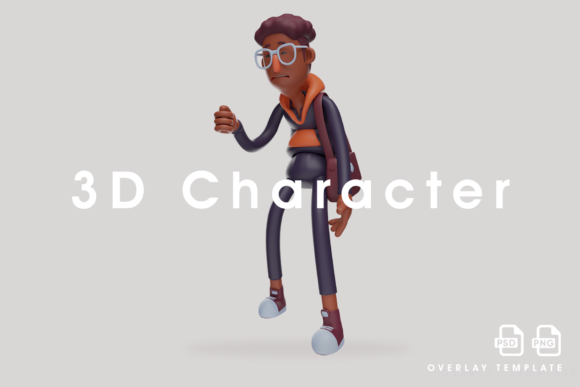
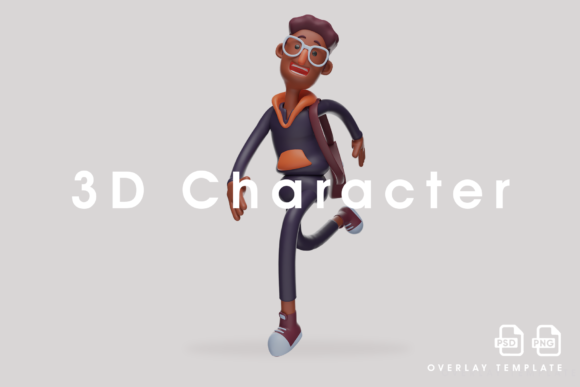
The term "cute" in digital design is not merely about aesthetics; it is a powerful psychological trigger. Characters that exhibit youthful features, soft lines, and friendly expressions—like a young student wearing a hoodie—evoke feelings of approachability and nostalgia. The 3D Student Design with Cute Expression captures this essence perfectly. By combining the casual, everyday look of a student with the polished finish of 3D rendering, these assets bridge the gap between realism and fantasy.
For adults seeking practical solutions in design, understanding why this style works is the first step. In a world saturated with complex, hyper-realistic graphics, simplicity often wins. A cute, stylized student character stands out because it feels human yet idealized. It allows viewers to project themselves onto the character, making it an excellent choice for educational materials, branding, and personal avatars.
Addressing Common Creative Challenges
Many designers and creators face significant hurdles when trying to produce consistent, high-quality character art from scratch. These challenges often include:
- Time Constraints: Modeling a character from zero requires extensive time for sculpting, texturing, and rigging. For tight deadlines, this is often impossible.
- Technical Skill Gaps: Not every marketer or writer has the technical expertise to create 3D assets using software like Blender or Maya.
- Consistency Issues: Maintaining a uniform art style across multiple images or videos is difficult when working with different artists or tools.
The availability of pre-made collections, such as those containing 3D Student Design with Cute Expression, directly addresses these pain points. Instead of starting from a blank canvas, creators can utilize ready-to-use assets that are already modeled, textured, and rendered. This shifts the focus from technical execution to creative direction, allowing users to concentrate on storytelling and layout.
Practical Applications and Outcomes
How exactly can you leverage 3D Student Design with Cute Expression in your work? The applications are diverse and span several industries.
Educational Content and E-Learning
Education benefits greatly from engaging visuals. Textbooks and online courses often struggle to keep learners interested. By incorporating cute 3D student characters into slides, videos, or interactive modules, educators can make the learning experience more inviting. The "student" aspect of the design creates an immediate connection with the learner, reinforcing the idea that "this is for you."
Social Media and Branding
On platforms like Instagram, TikTok, and LinkedIn, personality drives engagement. Brands often use mascots or stylized avatars to represent their voice. A 3D Student Design with Cute Expression can serve as a brand ambassador that feels friendly and trustworthy. Its transparent background PNG format ensures it can be easily overlaid on various backgrounds without losing quality, making it perfect for memes, promotional posts, and story highlights.
Game Development and Animation
Indie developers often operate with limited budgets. High-fidelity character models can be prohibitively expensive. However, stylized, cute characters are trending in the indie game scene. Using pre-collected poses from a zip file allows developers to quickly populate scenes, test mechanics, and create prototypes without investing months in character animation.
Technical Specifications and Workflow Integration
One of the most valuable aspects of the resources available for 3D Student Design with Cute Expression is their technical readiness. When downloading a collection, you are often getting more than just a static image. Many packages include:
- High-Resolution Output: Files sized at 5760×3240 px provide exceptional clarity. This resolution is critical for large-format prints, high-DPI screens, and zooming in during post-production without pixelation.
- Transparent Backgrounds: PNG files with transparency are essential for compositing. They allow designers to place the character over any background—be it a gradient, a photo, or a patterned texture—seamlessly.
- Multiple Poses: A single character model is useful, but a variety of poses adds dynamism. Collections typically offer standing, sitting, thinking, and interacting gestures, giving you the flexibility to tell a complete story through still images.
To integrate these assets into your workflow, start by organizing your library. Create folders based on mood or action (e.g., "Happy," "Studying," "Casual"). When beginning a new project, select the pose that best matches the narrative tone. Because the background is transparent, you can layer the character behind text or in front of environmental elements to create depth.
Considerations for Different User Types
Different users will approach 3D Student Design with Cute Expression in unique ways depending on their goals.
For Graphic Designers: Focus on composition and color harmony. Since the character is the focal point, ensure the surrounding elements do not compete for attention. Use the high-resolution capability to experiment with cropping and framing.
For Social Media Managers: Prioritize consistency and frequency. Use the same character across multiple posts to build brand recognition. Experiment with different expressions to convey different emotions, from excitement to empathy.
For Educators: Emphasize clarity and relevance. Choose poses that demonstrate active learning or collaboration. Avoid overly distracting animations if the goal is information retention.
Maximizing Value Through Ethical Usage
While the convenience of pre-made assets is undeniable, it is important to respect licensing agreements. Always check the terms of use associated with the 3D Student Design with Cute Expression files. Some licenses may restrict commercial use, while others may require attribution. Understanding these rules protects your projects and supports the artists who created these beautiful designs.
Furthermore, consider customizing the assets where possible. Even if you cannot alter the 3D model itself, you can change the lighting, add props, or adjust the color palette in your design software to better fit your specific brand identity. This adds a layer of uniqueness to the final output.
Conclusion
The integration of 3D Student Design with Cute Expression into your creative toolkit offers a blend of aesthetic appeal and practical efficiency. By addressing common challenges in time, skill, and consistency, these assets empower creators to produce professional, engaging content with greater ease. Whether you are designing educational materials, building a brand, or developing a game, the charm and versatility of these 3D cartoon characters can significantly enhance your project's impact. As you explore the various poses and styles available, remember to focus on the emotional connection you want to build with your audience. With the right tools and a thoughtful approach, you can create visuals that resonate deeply and stand out in a crowded digital landscape.