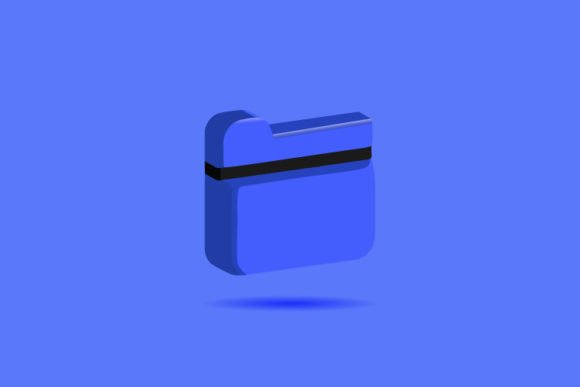
3D Folder Design Vector Isolated: A Practical Guide for Print, Decoration, and Digital Use
In the world of graphic design, visual elements must not only look appealing but also serve functional purposes. One such resource that has gained popularity is the 3D folder design vector isolated. These files offer a unique combination of depth, clarity, and adaptability, making them ideal for print projects, digital decorations, background designs, and more. This article explores what 3D folder design vectors are, how they differ from other design formats, their strengths and limitations, and when they might be the best choice for your creative needs.
What Is a 3D Folder Design Vector Isolated?
A 3D folder design vector isolated refers to a stylized representation of a folder in three-dimensional form, created using vector graphics software. The term "isolated" means the folder is presented without any background or additional context, allowing it to be seamlessly integrated into various design environments. These designs are typically offered in multiple file formats such as AI, EPS, SVG, PNG, and JPG, ensuring compatibility across different platforms and uses.
The key characteristics of these vector files include:
- Scalability: As vector-based files, they maintain quality at any size, which is especially important for print materials like brochures or packaging.
- Customization: Designers can easily modify colors, shapes, and textures to match branding or project requirements.
- Clean Visuals: Being isolated, they avoid unnecessary distractions and allow for greater flexibility in composition.
- Realistic Depth: The 3D effect adds dimensionality, making the folder appear lifelike even on flat surfaces.
How It Compares with Other Design Formats
When selecting design assets, it's essential to understand how 3D folder design vector isolated fits into the broader landscape of available options. Below is a comparison with similar types of design resources:
1. Raster vs. Vector Graphics
Traditional raster images (like JPEGs or PNGs) are made up of pixels and can lose quality when scaled up. In contrast, 3D folder design vector isolated files use mathematical formulas to define shapes and lines, preserving sharpness regardless of size. This makes vector files particularly suitable for high-resolution printing and large-format displays.
2. Flat Design vs. 3D Effect
Flat design emphasizes minimalism and two-dimensionality, often used in modern web interfaces. While this approach offers simplicity and speed, 3D folder design vector isolated provides a more tactile and visually engaging alternative. For instance, if you're designing a product catalog cover or a promotional poster, the 3D folder can add a sense of realism and professionalism that flat icons may lack.
3. Photorealistic Images vs. 3D Vectors
Photographs of folders can offer high realism but come with limitations—such as fixed perspective and inability to change color schemes. On the other hand, a 3D folder design vector isolated allows for full control over the design, enabling edits like changing lighting, adding shadows, or adjusting angles post-creation.
Strengths and Tradeoffs of Using 3D Folder Design Vector Isolated
Understanding the pros and cons of 3D folder design vector isolated helps in determining whether it aligns with your project goals. Here’s a breakdown:
Strengths
- High Quality for Print: With scalable vector formats like AI and EPS, these designs are excellent for professional printing where resolution matters.
- Flexible File Formats: Availability in AI, EPS, SVG, PNG, and JPG ensures compatibility with both vector and raster workflows.
- Time Efficiency: Ready-to-use templates save time compared to building a 3D folder model from scratch.
- Brand Consistency: You can adjust the folder’s color and style to perfectly match your brand identity.
Potential Limitations
- Learning Curve: Editing vector files may require familiarity with design software like Adobe Illustrator or CorelDRAW.
- Not Suitable for All Projects: If your design requires ultra-high photorealism or complex textures beyond simple gradients, you may need advanced 3D modeling tools instead.
- Licensing Considerations: Always check usage rights before downloading free or premium vector files, especially for commercial applications.
Best-Fit Situations for 3D Folder Design Vector Isolated
While versatile, 3D folder design vector isolated works best in specific scenarios. Here are some examples:
- Print Materials: Brochures, flyers, and packaging benefit from the clean, scalable nature of vector files. An isolated 3D folder can serve as an eye-catching icon or central visual element.
- Digital Decorations: Websites, app interfaces, or social media banners can use these designs as decorative elements or UI components. Their isolated format makes layering easy without background interference.
- Background Elements: When creating abstract or minimalist backgrounds, a subtly shaded 3D folder can add interest while remaining unobtrusive.
- Portfolio or Product Mockups: These vectors are often used in mockups to represent digital files or storage concepts in a stylized way.
When to Choose 3D Folder Design Vector Isolated Over Alternatives
Deciding whether to use a 3D folder design vector isolated depends on your project’s scope and requirements. Consider choosing this option if:
- You need a design that scales well for both digital and print use.
- Your project requires customization in terms of color, shape, or texture.
- You prefer a stylized yet realistic folder illustration without background clutter.
- You want to integrate the folder into another scene or composite design easily.
Conversely, if your goal is to create highly detailed, photo-realistic scenes, you might lean toward using 3D modeling software or high-resolution photographs. Similarly, for fast-paced digital campaigns that rely on pixel-perfect imagery, pre-made raster images could be more efficient.
Practical Examples of Use Cases
To better illustrate the versatility of 3D folder design vector isolated, here are a few real-world examples:
1. Corporate Branding
A marketing team designing a new company brochure might use a 3D folder vector to represent digital portfolios or data management. Its clean, professional appearance complements business themes and can be resized to fit various layout sections.
2. Website UI/UX
For a tech startup’s website, an isolated 3D folder can act as a navigation icon for a “Resources” section. Since it's vector-based, it remains crisp on all screen sizes and can be animated for interactive effects.
3. Background Design
A designer working on a presentation template might incorporate a transparent PNG version of a 3D folder as a subtle background element. This adds visual interest without overwhelming the content.
4. Merchandise and Apparel
If a fashion brand wants to feature a folder motif on a T-shirt or tote bag, the SVG format of a 3D folder design vector ensures seamless integration with embroidery or screen-printing processes.
Alternatives to Explore
Though 3D folder design vector isolated is a powerful tool, there are alternatives worth considering depending on your specific needs:
1. Simple Icon Sets
If you’re looking for quick access to basic symbols, standard icon sets (often in SVG or PNG) may suffice. However, they typically lack the depth and realism of 3D versions.
2. 3D Modeling Software
Tools like Blender or Maya allow for fully customizable 3D models, including folders. While this gives maximum control, it also demands more technical skill and time investment.
3. Stock Photography
For situations where a real-life aesthetic is necessary, stock photos of folders can provide authentic visuals. They are great for editorial work or e-commerce product pages but are less flexible for rebranding or resizing.
Factors to Consider When Making Your Choice
Selecting the right design asset involves weighing several factors. Here’s what to keep in mind when deciding if a 3D folder design vector isolated is appropriate for your project:
- Project Type: Will it be printed, displayed online, or used in both? Vector files suit multi-platform use due to their adaptability.
- Design Sophistication: Do you need something simple or more dynamic? 3D vectors offer a middle ground between flat design and photorealism.
- Editing Requirements: How much customization do you need? If you plan to tweak colors or dimensions frequently, vector files are the most practical.
- File Compatibility: Which programs will you be using? Ensure the file type (AI, EPS, SVG, etc.) supports your workflow.
Final Thoughts on Integration and Workflow
Integrating a 3D folder design vector isolated into your design process is straightforward, especially if you already work with vector-based tools. For those who don’t, many design platforms support importing SVG and PNG files, allowing for basic editing without needing advanced software. Always ensure the design aligns with your overall visual language and doesn’t clash with other elements.
Whether you’re working on a corporate identity package, a mobile app interface, or a creative background for a website, the 3D folder design vector isolated can be a valuable addition. By understanding its strengths, limitations, and how it compares to other design formats, you can make a more informed decision about its suitability for your next project.