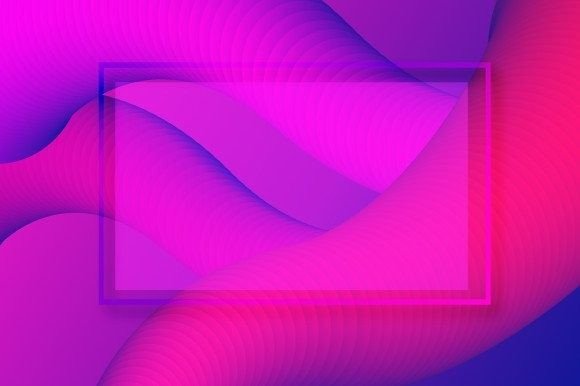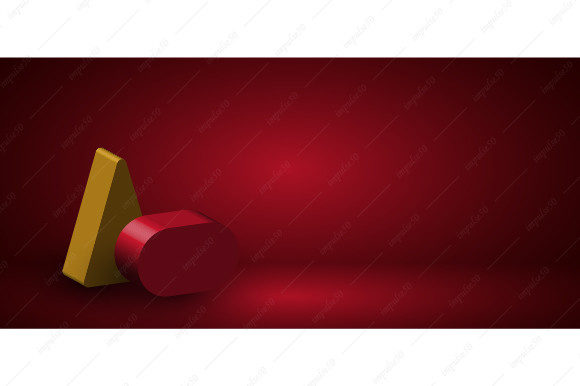
Abstract 3D Rendering Design Artwork
What Is Abstract 3D Rendering Design Artwork?
Abstract 3D rendering design artwork is a digital art form that uses three-dimensional modeling and rendering techniques to create non-representational visual compositions. Unlike realistic 3D renderings, which aim to replicate real-world objects or scenes, abstract 3D art focuses on shapes, colors, textures, and spatial relationships to evoke emotion, convey ideas, or simply inspire. It often plays with geometry, perspective, lighting, and shadows in ways that challenge traditional visual norms.
This type of design has become increasingly popular in modern creative industries due to its flexibility and visual impact. Artists use it for everything from branding and website backgrounds to editorial illustrations and product packaging. The pure vector format ensures scalability without loss of quality, making it ideal for both print and digital use.
Exploring the Creative Possibilities
The beauty of Abstract 3D Rendering Design Artwork lies in its adaptability. Whether you're designing a corporate presentation, a social media campaign, or a personal blog post, this style can be tailored to suit your vision. Here are some creative directions you might consider:
- Geometric Decorative Templates: Use overlapping shapes and gradients to build intricate patterns that serve as elegant backgrounds or borders for designs. These can elevate anything from flyers to infographics.
- Branding Elements: Incorporate abstract 3D elements into logos, icons, or brand visuals to create a unique identity that stands out in competitive markets.
- Website Headers & Banners: A red gradient background with layered 3D elements can add depth and dynamism to web design, especially when paired with clean typography.
- Product Packaging: Abstract 3D art brings a modern, artistic flair to minimalist packaging concepts, helping products catch attention on shelves or online stores.
- Editorial Illustrations: In magazines, books, or blogs, these artworks can visually represent complex themes like innovation, energy, or transformation.
How Different Users Can Adapt This Style
Because abstract 3D rendering art is so versatile, it can be adapted across multiple professions and platforms. Below are examples of how various users might leverage it effectively:
For Designers and Creators
Designers can use the adjustable EPS10 file to modify the structure of the artwork—changing the shape, size, or color of each element. This allows for endless customization while maintaining the integrity of the original design. For instance, a designer creating a portfolio site could tweak the red gradient to match their brand palette and layer different geometric components to symbolize their creative process.
For Marketers and Entrepreneurs
Entrepreneurs and marketers can apply this design to promotional materials. A startup in tech might use a dynamic 3D abstract layout with contrasting colors to reflect innovation and speed. The high-resolution JPEG (300 dpi) ensures crisp visuals for print brochures or billboards, while the ZIP file format makes it easy to share and implement across multiple channels.
For Educators and Publishers
Abstract 3D art can help educators make learning materials more engaging. When used in educational posters or book covers, the overlapping shadow effects and bold colors can guide attention and enhance visual storytelling. Publishers might also integrate these elements into magazine layouts or cover designs to create a striking first impression.
For Bloggers and Freelancers
Bloggers looking to stand out can use this artwork as a header image or part of a featured section. Its modern aesthetic aligns well with lifestyle, design, or business content. Freelancers can include it in client proposals or presentations to demonstrate their ability to think creatively and deliver professional-quality assets.
Practical Inspiration: Real-World Applications
To spark your imagination, here are a few practical project ideas using Abstract 3D Rendering Design Artwork:
- Corporate Presentation Template: Build a PowerPoint or Keynote template using the geometric decorative layout. Overlapping shapes with soft shadows can help organize information visually, making slides more appealing and easier to digest.
- Social Media Backgrounds: Create a series of Instagram or LinkedIn headers with varying color schemes based on the same 3D abstract base. Each version can reflect a different campaign or theme while keeping a cohesive brand identity.
- Printable Wall Art: Print the artwork on canvas or poster paper and frame it. The gradient red background and layered 3D elements offer a contemporary look suitable for office spaces or home decor.
- Email Newsletter Headers: Use the vector-based design as a header for newsletters. Since it’s scalable and clear, it will maintain quality across all screen sizes and devices.
Keeping Your Designs Clear and Effective
While abstract art gives you creative freedom, it's important to balance aesthetics with clarity. Here are some tips to ensure your work remains audience-friendly and purposeful:
- Use Intentional Color Gradients: Stick to a limited color palette if the artwork needs to support text or other focal points. The red gradient in this design, for example, provides warmth and intensity but should be used strategically to avoid overwhelming viewers.
- Layer Thoughtfully: Overlapping elements can add dimension, but too many may confuse the message. Keep layers minimal unless the goal is to showcase complexity or movement.
- Maintain Consistency: If using this artwork in a series of designs, keep the style consistent by reusing similar shapes, shadow placements, or color transitions. This helps reinforce your brand or theme across different formats.
- Optimize for Context: Consider where the artwork will appear. For digital screens, ensure contrast levels are balanced. For print, confirm that colors translate accurately and shadows remain visible at scale.
Why Choose Vector-Based Abstract 3D Artwork?
Vector graphics are a game-changer for anyone working with digital or print media. Because they’re made up of mathematical points rather than pixels, they retain sharpness at any size. This means you can scale the Abstract 3D rendering design artwork of geometric decorative presentation template up to billboard dimensions or down to mobile-sized thumbnails without compromising quality.
Additionally, being in pure vector format allows for precise editing. You can adjust individual components, recolor sections, or change the composition entirely using design software like Adobe Illustrator or Inkscape. This level of control makes the artwork a powerful tool for custom projects.
Adapting the Artwork for Different Styles
One of the greatest strengths of this design is its malleability. Here are a few approaches you can take to customize it:
- Minimalist Style: Simplify the design by reducing the number of overlapping shapes and focusing on one or two dominant forms. Pair it with neutral tones to create a sleek, modern feel.
- High-Energy Look: Increase the complexity by adding more geometric elements and experimenting with brighter hues or neon accents. This works well for youth-oriented brands or event promotions.
- Professional Branding: Maintain a clean, structured layout. Adjust the red gradient to a more muted tone and incorporate subtle shadows for a polished, sophisticated appearance.
Each variation keeps the essence of the original design while adapting it to specific goals. This makes it an excellent choice for those who want a single asset to evolve across multiple projects or campaigns.
Getting Started with Abstract 3D Art
If you're new to abstract 3D rendering, don’t worry—the tools and techniques are accessible. Many design platforms now offer built-in 3D capabilities, and there are countless tutorials online to guide you through the basics. Start by understanding how light and shadow interact with shapes, then experiment with layering and gradients.
For those purchasing the ZIP file with EPS10 and JPEG formats, the key is to explore what the original artwork can become. Try changing the background color from red to blue or green to see how it affects the mood. Play with the positioning of the 3D shapes to create rhythm and flow. The lack of watermark ensures full ownership, encouraging you to push creative boundaries without restrictions.
Final Thoughts on Creative Application
In the right hands, Abstract 3D Rendering Design Artwork becomes more than just a graphic—it transforms into a storytelling device. Whether you're aiming for elegance, boldness, or simplicity, the possibilities are vast. By understanding the core principles behind this art form and applying them thoughtfully, you can create compelling visuals that resonate with your audience and elevate your work.
Remember, the most effective designs combine creativity with intention. Let the geometric shapes and shadows guide your message, not distract from it. With the right approach, even the simplest abstract 3D layout can communicate complexity and sophistication.