Luxury Box Packaging Design: Elevating Brand Identity with 3D Box Artwork
In today’s competitive market, the first impression often determines a product's success. This is where luxury box packaging design plays a pivotal role. Whether you're launching a new brand or enhancing an existing one, the right packaging can transform your product into a symbol of elegance and quality. One of the most innovative and impactful trends in this space is the use of 3D box designs, which offer both visual appeal and functional flexibility. In this article, we’ll explore what luxury box packaging entails, how to leverage 3D elements effectively, and the benefits it brings to businesses and consumers alike.
What Is Luxury Box Packaging?
Luxury box packaging refers to high-end, aesthetically pleasing containers used for premium products. These boxes are crafted not only to protect their contents but also to communicate exclusivity, sophistication, and attention to detail. Commonly found in industries such as cosmetics, fashion, electronics, and gourmet food, luxury packaging serves as a powerful marketing tool that enhances the perceived value of the product inside.
The design process involves careful consideration of materials, colors, typography, imagery, and structural elements. It aims to create an emotional connection with the consumer, reinforcing the brand's identity and encouraging repeat purchases.
Why Choose 3D Box Designs?
Traditional flat designs may look good on paper, but 3D box packaging design takes visual storytelling to another level. By incorporating depth, perspective, and realistic textures, these designs offer a more immersive experience. Here’s why they are becoming increasingly popular:
- Visual Impact: 3D designs grab attention instantly due to their dynamic and lifelike appearance.
- Brand Differentiation: They help brands stand out from the competition by offering unique and memorable aesthetics.
- Customization: These designs allow for greater personalization and layering options, enabling marketers to tailor visuals to specific campaigns or audiences.
- Scalability: As vector-based files, they maintain clarity and sharpness at any size, making them ideal for various applications—from digital ads to large-format prints.
How 3D Packaging Design Works
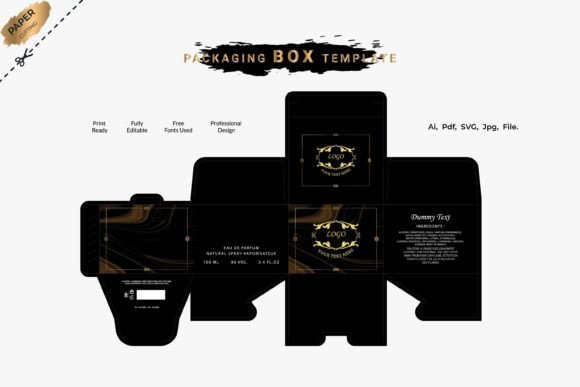
Creating a 3D box packaging design starts with conceptualizing the structure and layout of the box. Unlike traditional packaging, 3D designs simulate the actual physical form of the box, including folds, flaps, and dimensions. This allows designers to visualize how the final product will look when assembled.
Once the base structure is set, artists add layers of intricate details—such as embossed patterns, metallic finishes, and transparent windows—to enhance the overall presentation. These elements can be manipulated independently, giving users full control over each part of the design. For instance, you can place a logo above the main artwork using a separate layer, ensuring it remains prominent and editable without affecting the rest of the composition.
Key Components of a Successful Luxury Box Design
A well-executed luxury box design typically includes several essential components that work together to convey the brand’s message and elevate the customer experience. Let’s break them down:
1. Structural Integrity
The foundation of any luxury box is its structure. A sturdy yet elegant box ensures the product is protected while maintaining a sense of refinement. The 3D aspect of the design helps in accurately representing how the box will fold and assemble in real life.
2. Color Palette and Typography
Colors evoke emotions and reflect brand personality. For luxury packaging, neutral tones like black, gold, and silver are often preferred for their timeless appeal. However, bold and vibrant hues can also be used if they align with the brand's identity. High-quality typography complements the color scheme, adding a touch of sophistication.
3. Imagery and Graphics
Eye-catching graphics are crucial for luxury packaging. These include original vector illustrations, logos, icons, and other branding elements. Vector-based artwork ensures that every line, shape, and curve remains crisp and clear, no matter the size it’s scaled to. With 100+ original vector designs available, you can choose the perfect assets to match your brand's style and vision.
4. Textures and Finishes
To give the box a tactile feel, designers often incorporate textures like matte, glossy, or metallic finishes. These can be simulated in 3D models, allowing you to preview how different materials will look before production. Mockup files provide a realistic view of the final product, helping you make informed decisions about the design elements.
Practical Uses of 3D Box Packaging Design
3D box packaging isn’t just for show—it has tangible applications across multiple industries. Below are some examples of how it’s being used in modern business:
Retail and E-Commerce
Online retailers rely heavily on high-quality visuals to attract customers. A 3D box mockup can be placed against a clean background or integrated into lifestyle scenes to showcase the product in context. This technique builds trust and increases conversion rates by giving buyers a realistic idea of what to expect upon delivery.
Product Launches and Marketing Campaigns
When launching a new product, especially in the luxury sector, having a visually stunning package is key. 3D designs enable companies to present their packaging in promotional videos, social media posts, and print materials with precision and flair. You can even animate the unfolding of the box to highlight its features creatively.
Gift and Greeting Cards
High-end gift items, such as perfume bottles, jewelry, or designer watches, often come in beautifully designed boxes. Using 3D modeling tools, you can create custom packaging that matches the theme of your greeting card or holiday promotion. This adds a cohesive and professional touch to your creative projects.
Education and Presentation Materials
Design students and professionals can benefit from 3D box templates to learn about spatial design, branding, and packaging principles. These files are useful for presentations, portfolio showcases, and teaching sessions, providing hands-on experience with real-world design scenarios.
Understanding File Formats and Customization
When working with luxury box packaging design 3D box files, it’s important to understand the different formats included in the download. Most packages, like the one described here, contain a variety of file types to suit different needs:
- AI File (Adobe Illustrator): Ideal for editing vector elements and adjusting colors, fonts, and shapes.
- PDF Print File: Perfect for sending to printers or sharing with stakeholders who need a polished view of the design.
- SVG File: Scalable Vector Graphics format is widely used for web design and digital printing, ensuring high resolution at any scale.
- JPG File: Useful for quick previews and digital marketing, though it lacks the scalability of vector formats.
These files are typically delivered in a single .zip archive, which can be easily extracted using free software like WinRAR or WinZip. Once unzipped, you can access and modify the designs to fit your requirements, whether you’re preparing for a photoshoot, printing labels, or creating a digital ad campaign.
Common Misconceptions About 3D Box Packaging Design
Despite its growing popularity, many people still misunderstand what 3D box packaging entails. Here are a few common misconceptions clarified:
- It's Only for Professionals: While 3D design software can be complex, many platforms offer user-friendly tools and pre-made templates that even beginners can customize with ease.
- Physical Boxes Are Included: As noted in the description, the file provided is a digital cut file, meaning it’s for design purposes only. No physical box is mailed to you; instead, you get the source files to produce or print the design yourself.
- It’s Too Expensive: Although luxury packaging may seem costly, investing in high-quality 3D designs can save money in the long run by reducing the need for revisions and increasing customer satisfaction.
How to Use Your 3D Box Design Files
Receiving a luxury box packaging design 3D box design gives you the freedom to experiment and innovate. Here’s a step-by-step guide on how to make the most of your digital files:
- Extract the Files: Use WinRAR or WinZip to open the .zip file and locate the AI, PDF, SVG, and JPG versions.
- Open in Adobe Illustrator: The AI file allows full customization. You can change colors, replace images, adjust text, and apply effects to suit your needs.
- Layer Management: Organize your design using layers. This makes it easier to edit specific elements, such as logos or background textures, without altering the entire composition.
- Export for Printing or Digital Use: After finalizing your design, export it in the appropriate format. PDF is best for print, while SVG and JPG are suitable for online use.
- Create Mockups: Use the 3D model as a base for photo mockups or video presentations to demonstrate how the box will look in real-life settings.
Why Original Vector Art Matters
One of the standout features of this package is the inclusion of 100 original vector designs. Vector graphics are mathematical representations of images, which means they don’t lose quality when resized. This is especially important for luxury packaging, where fine details must remain intact regardless of the display medium.
Original vector art ensures uniqueness and avoids copyright issues. When you use these designs, you have the peace of mind knowing that your packaging stands out and represents your brand authentically. Plus, since they are fully editable, you can tweak colors, shapes, and sizes to match your brand guidelines perfectly.
Real-Life Applications of 3D Luxury Box Packaging
To better understand the practical relevance of 3D box design, let’s consider a few real-world examples:
- Cosmetics Industry: Brands like Estée Lauder and L’Oréal use luxurious, 3D-designed boxes to house their flagship products. These designs often feature magnetic closures, raised logos, and holographic accents that reflect the brand’s prestige.
- Wine and Spirits: Premium wine producers use bespoke 3D box designs to protect their bottles during shipping and to create a memorable unboxing experience for customers.
- Edible Gifts: Chocolate and candy companies frequently employ 3D packaging to showcase their products in elegant, eye-catching displays that entice buyers and complement the gourmet nature of the items.
- Technology Products: High-end gadgets, such as smartphones or headphones, often arrive in sleek 3D boxes that reinforce the product’s innovation and quality.
Integrating Creativity and Technology
The fusion of creativity and technology is at the heart of luxury box packaging design. Tools like Adobe Illustrator, Photoshop, and Blender have made it possible to create highly detailed 3D models with relative ease. Additionally, advancements in digital printing and material science allow these designs to be translated into physical boxes with remarkable accuracy.
As a result, designers and marketers now have the ability to craft packaging that not only looks impressive but also feels premium. This combination enhances the brand image and supports sustainable practices through precise resource usage and reduced waste.
Getting Started with Your Own 3D Box Design
If you’re interested in creating your own luxury box packaging using 3D design, here are a few tips to help you begin:
- Define Your Brand Identity: Start by identifying the core values and aesthetics of your brand. This will guide your design choices and ensure consistency.
- Sketch Ideas: Before jumping into digital tools, sketch rough ideas on paper. This helps clarify the structure and visual elements you want to include.
- Choose the Right Software: Adobe Illustrator is a great starting point for editing vector-based designs. If you need advanced 3D rendering, consider using Blender or Cinema 4D.
- Experiment with Layers: Use separate layers for logos, background artwork, and text to keep your design organized and easy to modify.
- Test Print Samples: Before mass-producing your design, print small samples to see how the colors and textures appear in person.
The Future of Luxury Box Packaging
As technology continues to evolve, so does the world of luxury packaging. Innovations such as augmented reality (AR) integration, biodegradable materials, and interactive designs are already shaping the future. 3D box packaging is at the forefront of this transformation, offering a bridge between digital imagination and physical reality.
With the right tools and resources, you can stay ahead of the curve and create packaging that not only meets industry standards but exceeds them. Whether you’re a small business owner or a seasoned designer, the possibilities are endless when you harness the power of 3D design in your packaging strategy.
Conclusion
Luxury box packaging design 3D box is more than just a trend—it’s a strategic approach to elevating brand perception and customer experience. From its structural realism to its customizable vector artwork, this method empowers creators to build packaging that speaks volumes about their brand. Understanding the purpose, significance, and application of 3D packaging is essential for anyone looking to make a lasting impression in the marketplace.
By utilizing the provided AI, PDF, SVG, and JPG files, you gain the flexibility to adapt and refine your designs for any project. Remember, this is a digital cut file meant for customization, not for producing physical boxes directly. Embrace the creative freedom it offers and watch your brand shine like never before.